
The Definitive Resource for Natural Loofah
Your comprehensive guide to understanding, sourcing, and utilizing premium natural loofah products from Egypt
Natural loofah represents one of nature’s most remarkable gifts for sustainable personal care and household cleaning. Derived from the mature luffa gourd, these biodegradable sponges have served humanity for centuries, and today they stand at the forefront of the global movement away from synthetic plastics toward eco-friendly alternatives.
For businesses seeking premium quality natural loofah products, EGEXO stands as Egypt’s premier wholesale loofah supplier, offering direct access to the finest Egyptian-grown loofah with comprehensive B2B services including private labeling, custom product design, and reliable international shipping.
Comprehensive Guide to Natural Loofah
Understanding the origins, characteristics, and benefits of genuine natural loofah products
What Is Natural Loofah?
Natural loofah, also spelled luffa or loofa, is a plant-derived fibrous material obtained from the mature fruits of the luffa gourd. Unlike the common misconception that loofahs come from the sea, these remarkable sponges are entirely terrestrial in origin, growing as climbing vines in the cucumber family Cucurbitaceae. When the luffa gourd reaches full maturity and dries on the vine, its outer skin and inner flesh naturally decompose, leaving behind an intricate network of tough, interconnected cellulose fibers that form the distinctive sponge-like structure recognized worldwide.
The resulting natural loofah possesses unique properties that make it ideal for both personal care and household applications. The fiber network creates a texture that is simultaneously firm enough to provide effective exfoliation and gentle enough for regular use on skin. Unlike synthetic alternatives made from petroleum-derived plastics, natural loofah is completely biodegradable, returning to the earth within weeks to months after disposal. This fundamental characteristic positions natural loofah as an essential product in the growing market for sustainable, plastic-free consumer goods.
The Luffa Plant: Botanical and Agricultural Context
Two primary species of the luffa plant dominate commercial production worldwide. Luffa aegyptiaca, commonly known as Egyptian luffa or smooth luffa, produces the elongated cylindrical gourds most often processed into bath and body loofah products. This species thrives in warm climates with long growing seasons and has been cultivated in Egypt and the broader Mediterranean region for thousands of years. The name aegyptiaca directly references Egypt’s historical role as a center of luffa cultivation, a tradition that continues to define quality standards in the industry today.
Luffa cylindrica, sometimes called angled luffa or ridge gourd, represents another commercially significant species with slightly different fiber characteristics. Both species belong to the same botanical family as cucumbers, melons, and squashes, sharing similar growing requirements including warm temperatures, adequate moisture during the growing season, and structural support for their climbing vines. The plants produce large yellow flowers and can grow gourds ranging from 30 centimeters to over a meter in length depending on variety, growing conditions, and intended use.
From an agricultural perspective, luffa cultivation represents a sustainable farming practice with minimal environmental impact. The plants require no synthetic pesticides when grown using traditional methods, as they exhibit natural resistance to many common pests. Water requirements are moderate compared to many commercial crops, and the entire plant contributes to the agricultural cycle with seeds producing valuable oil, plant matter returning nutrients to the soil through composting, and the fibrous gourds becoming the finished loofah products.
Historical Use Across Cultures
The use of natural loofah spans millennia and crosses numerous cultural boundaries. Ancient Egyptian records document the cultivation and use of luffa products for bathing and household purposes, establishing a tradition of quality that Egyptian growers maintain to this day. The warm, dry climate of Egypt proved ideal for growing and processing luffa, and Egyptian loofah became a valued trade commodity throughout the ancient Mediterranean world.
In Asia, particularly in China, Japan, and India, luffa cultivation developed independently with the plant serving multiple purposes. Young, immature luffa gourds are consumed as vegetables in many Asian cuisines, while mature gourds are processed into sponges, scrubbers, and even industrial filters. Traditional Asian medicine incorporated various parts of the luffa plant, and the fiber found use in applications ranging from bath products to the manufacture of filters for industrial machinery and military equipment.
The global spread of natural loofah accelerated during the colonial period, with cultivation extending to suitable climates in the Americas, particularly in Mexico, Central America, and parts of South America. However, Egypt retained its reputation for producing the highest quality loofah, a distinction that persists in contemporary markets where Egyptian-origin loofah commands premium positioning.
Why Egypt Produces Superior Natural Loofah
The exceptional quality of Egyptian natural loofah stems from a combination of geographic, climatic, and cultural factors that create ideal conditions for luffa cultivation and processing. Egypt’s position along the Nile River Valley provides access to fertile alluvial soils rich in the nutrients that support robust plant growth. The climate delivers abundant sunshine, warm temperatures throughout an extended growing season, and the dry conditions necessary for optimal curing and processing of harvested gourds.
Egyptian loofah fibers consistently demonstrate superior density, creating the tight network structure that provides effective exfoliation while maintaining durability through extended use. The natural golden coloring of premium Egyptian loofah indicates proper maturation and curing, distinguishing it from lower-quality products that may appear bleached, discolored, or inconsistent.
Beyond the natural advantages, Egypt benefits from an established infrastructure supporting loofah production and export. Experienced farmers understand the precise timing for harvesting to maximize fiber quality. Processing facilities employ workers skilled in the labor-intensive tasks of peeling, seeding, and preparing loofah for various market applications. For businesses seeking access to this premium Egyptian loofah, EGEXO provides direct connection to Egyptian growing regions with comprehensive quality assurance and professional export services.
Natural Loofah Versus Synthetic Alternatives
The comparison between natural loofah and synthetic alternatives reveals fundamental differences in composition, performance, environmental impact, and long-term cost considerations. Synthetic loofahs, typically manufactured from nylon, polyester, or other petroleum-derived plastic meshes, became popular during the late twentieth century as inexpensive, mass-produced alternatives to natural products. However, growing awareness of plastic pollution and its consequences has prompted consumers, retailers, and brands to reconsider the true costs of synthetic options.
From a performance standpoint, natural loofah provides gentler yet effective exfoliation compared to the often harsh texture of synthetic mesh products. The natural fiber structure of loofah creates microscopic variations that remove dead skin cells without the abrasive damage that synthetic fibers can cause. Natural loofah also rinses more completely than synthetic mesh, which tends to trap soap residue and bacteria within its dense, tangled structure.
The environmental implications carry significant weight for businesses targeting eco-conscious consumers. Synthetic loofahs shed microplastic particles with every use, contributing to the growing problem of microplastic contamination in water systems and marine environments. Natural loofah, by contrast, releases only biodegradable plant fibers that return harmlessly to natural cycles. At end of life, natural loofah can be composted, contributing organic matter to soil, while synthetic alternatives must be disposed of as plastic waste.
Environmental Impact and Sustainability Advantages
Natural loofah represents a genuinely sustainable product throughout its entire lifecycle from cultivation through disposal. The luffa plant grows as a renewable annual crop, reaching maturity within a single growing season without depleting soil resources or requiring the intensive chemical inputs associated with many commercial agricultural products. Traditional cultivation methods, still practiced by Egyptian farmers supplying premium loofah, rely on natural pest resistance, organic fertilization, and efficient water management.
The carbon footprint of natural loofah production compares favorably to synthetic alternatives. Manufacturing plastic-based products requires extraction and processing of petroleum, energy-intensive polymerization, and often international shipping of both raw materials and finished goods. Natural loofah requires minimal processing beyond harvesting, drying, and basic preparation, with the sun providing most of the energy required for curing.
Biodegradability represents perhaps the most significant environmental advantage of natural loofah. When disposed of properly, natural loofah decomposes completely within weeks to months, returning its organic matter to the soil. EGEXO’s farm to export process documentation provides the transparency and traceability that sustainability-focused brands require for their communications.
Natural Loofah Production Process
The complete journey from luffa seed to finished loofah product
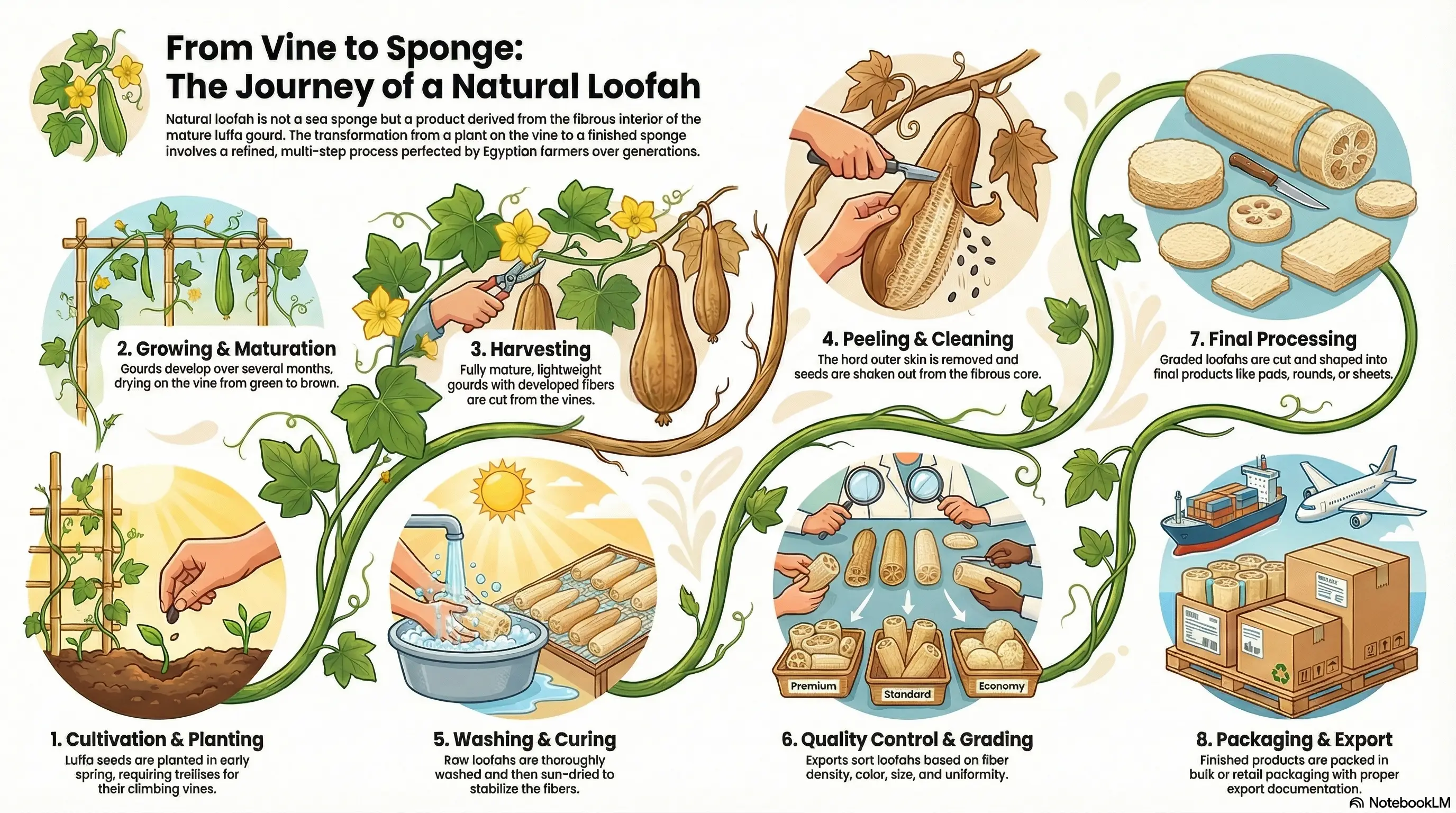
Understanding the natural loofah production process provides valuable context for wholesale buyers evaluating suppliers and for brands developing product positioning and marketing content. The transformation from living plant to finished sponge involves multiple stages, each requiring specific expertise and attention to quality. Egyptian loofah producers have refined these processes over generations, developing the techniques that produce consistently superior products.
Cultivation and Planting
The production cycle begins with planting luffa seeds in prepared soil once temperatures reliably exceed the threshold for germination. Egyptian farmers typically plant in early spring to maximize the long, warm growing season.
Growing Season
Throughout the growing season, luffa plants develop rapidly, producing large leaves and characteristic yellow flowers that precede fruit development. The extended Egyptian summer provides ideal conditions for quality fiber development.
Maturation on Vine
As gourds reach full size, they begin the maturation process that transforms fleshy fruit into fibrous sponge. The outer skin transitions from green to yellow and eventually to brown as internal moisture decreases.
Harvesting
Gourds are ready for harvest when the outer skin has dried completely and the internal fiber structure has fully developed. Egyptian harvest typically occurs in late summer through fall.
Peeling and Cleaning
After harvest, the outer skin is removed to reveal the fibrous interior. Seeds are shaken or washed out from the central cavity. Multiple rinses ensure the natural fibers are clean and free of contaminants.
Drying and Curing
Cleaned loofahs undergo additional drying and curing to achieve optimal moisture content. In Egypt, abundant sunshine and low humidity provide ideal natural drying conditions.
Quality Control and Grading
Quality control processes separate natural loofah into grades based on multiple factors including fiber density, uniformity, color, size, and structural integrity. Premium grades feature dense, tightly networked fibers with consistent texture throughout, natural golden coloring indicating proper maturation, and no defects such as holes, thin spots, or discoloration.
EGEXO maintains rigorous quality standards documented for buyer reference, ensuring that businesses sourcing through EGEXO receive products meeting their specific grade requirements consistently.
Processing for Specific Products
Beyond basic cleaning and grading, natural loofah undergoes various processing steps depending on its intended final application. Whole loofahs may be sold in their natural cylindrical form, trimmed to specific lengths, or cut into various shapes including rounds, ovals, and rectangles suitable for direct retail sale or incorporation into larger products.
For businesses with specific processing requirements, EGEXO offers custom loofah product design services that can accommodate unique specifications, dimensions, and finishing requirements.
Packaging and Export Preparation
The final stages of production involve packaging appropriate for product type, buyer requirements, and shipping method. Bulk wholesale orders typically ship in compressed bales or cartons designed to maximize container utilization while protecting product integrity during transit. Export preparation includes proper documentation for customs clearance, certificates of origin confirming Egyptian source, and phytosanitary certificates verifying product safety.
Natural Loofah Product Categories
Comprehensive applications for natural loofah across consumer and commercial markets
Bath and Body Natural Loofahs
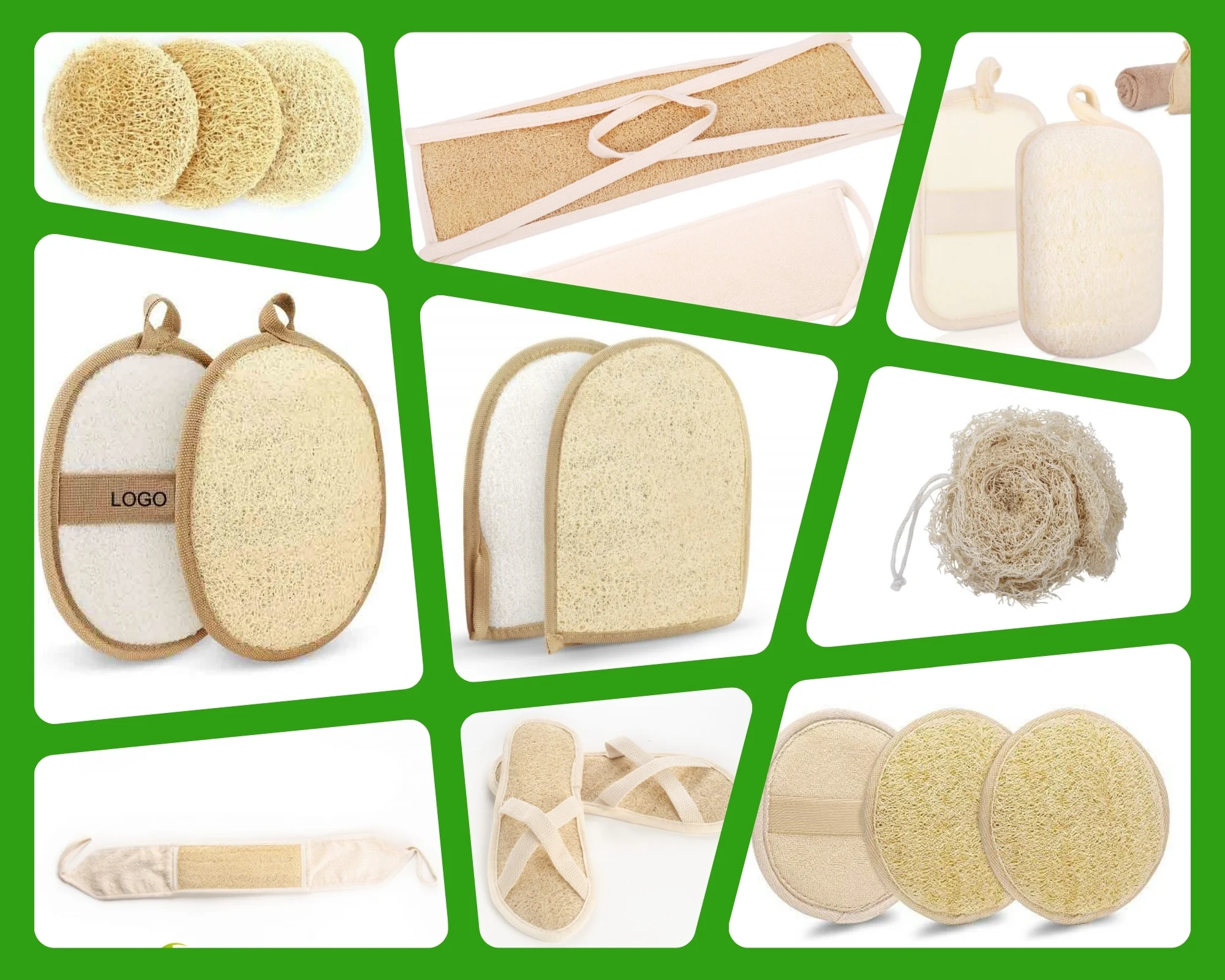
Natural loofah for bath and body applications represents the largest product category, serving both direct consumer markets and professional spa and wellness environments. These products leverage the gentle yet effective exfoliating properties of natural loofah fiber to support healthy skin through regular use.
Explore Bath and Body Products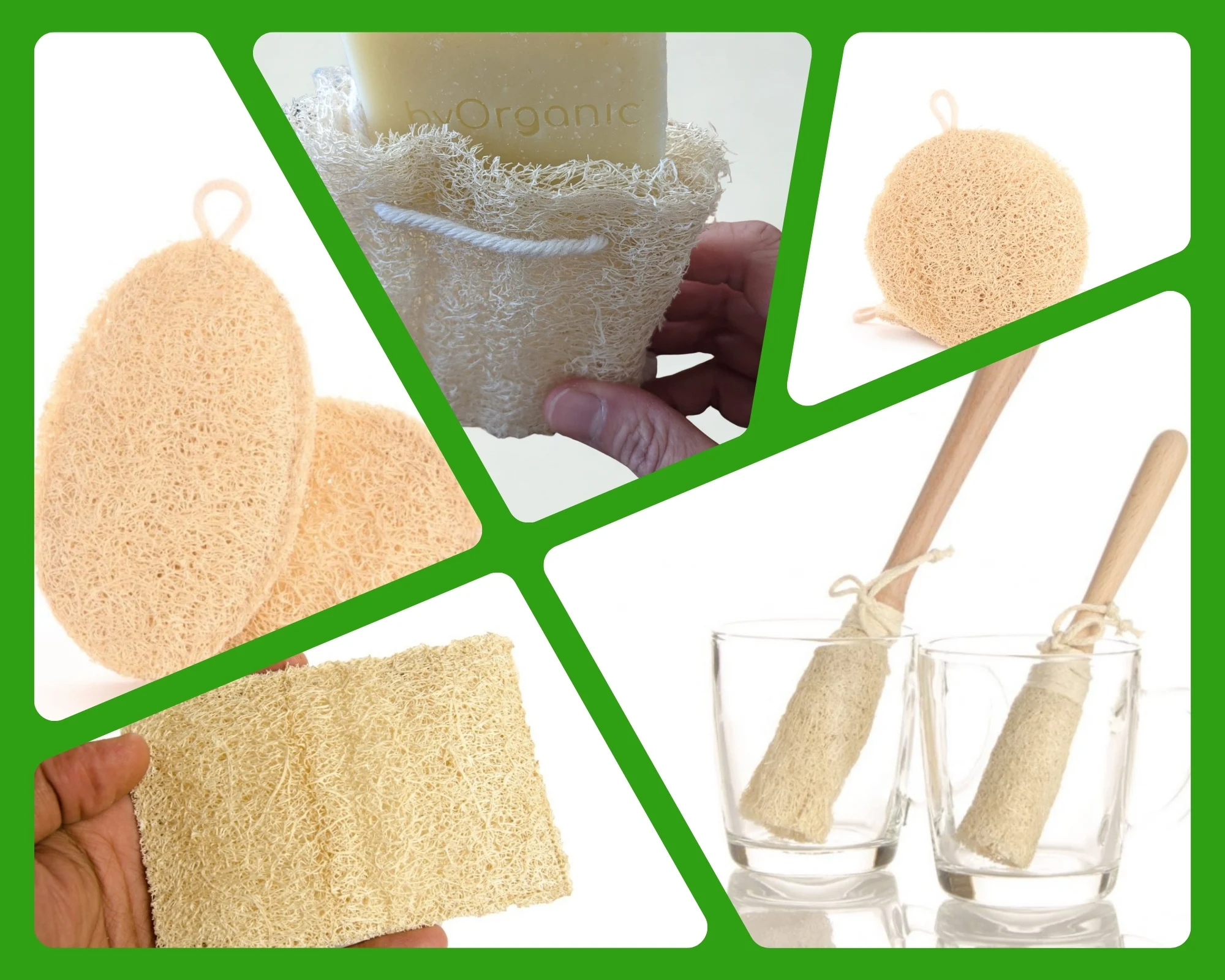
Kitchen Natural Loofahs
The kitchen represents a rapidly growing application area for natural loofah, driven by consumer demand for plastic-free dishwashing and cleaning alternatives. Natural loofah kitchen products effectively clean dishes, cookware, and surfaces without the microplastic shedding associated with synthetic sponges.
Explore Kitchen Products
Raw Natural Loofah Materials
Raw loofah materials serve manufacturers, product developers, and brands creating their own finished goods. This category includes whole dried loofahs in various sizes, pre-cut shapes for product incorporation, and bulk quantities for industrial processing applications.
Explore Raw Materials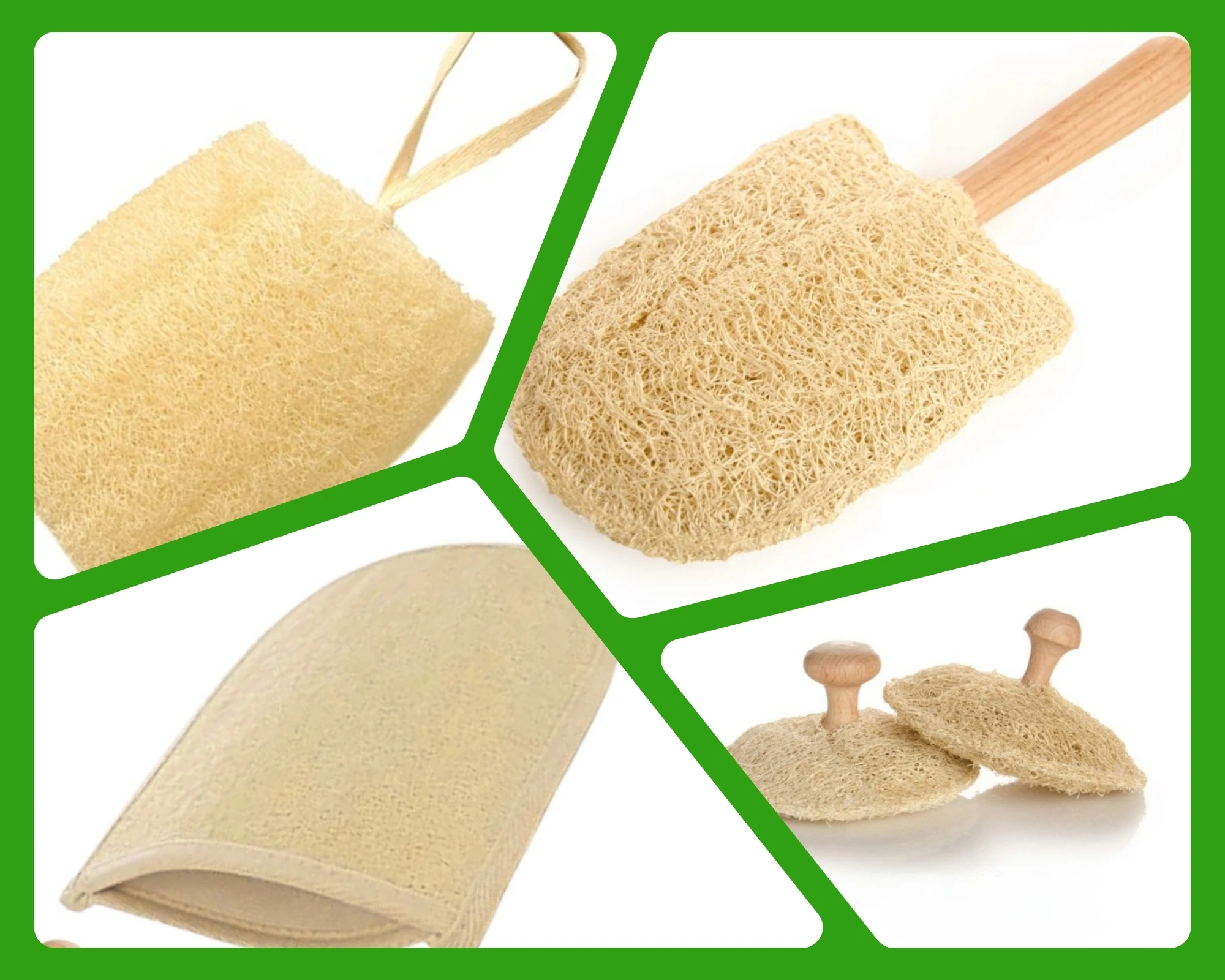
Pet and Specialty Natural Loofahs
Beyond traditional bath and kitchen applications, natural loofah serves diverse specialty markets including pet care, professional spa treatments, and innovative product development. The natural properties of loofah fiber make it suitable for numerous creative applications.
Explore Specialty ProductsBath and Body Applications in Detail
The exfoliation benefits of natural loofah for skin health have driven centuries of use in bathing rituals worldwide. When used with water and soap, natural loofah fibers gently remove dead skin cells from the surface of the skin, a process that promotes healthy cell turnover, unclogs pores, and improves skin texture over time. Regular exfoliation with natural loofah can enhance the effectiveness of moisturizers and other skincare products by removing the barrier of dead cells that prevents optimal absorption.
The range of bath and body loofah products includes whole loofahs in their natural cylindrical form, sliced loofah rounds and ovals suitable for facial or body use, loofah-backed pads with handles or straps for easier use in the shower, and combination products that incorporate loofah with other natural materials such as cotton, sisal, or natural sponges.
Kitchen Applications and Plastic-Free Cleaning
Natural loofah’s effectiveness as a kitchen cleaning tool has driven substantial growth in this product category as consumers and food service operations seek alternatives to plastic-based sponges and scrubbers. The fiber structure of natural loofah provides excellent cleaning action for dishes, cookware, countertops, and other kitchen surfaces without scratching or damaging finishes. Unlike synthetic sponges that harbor bacteria in their dense mesh structure, natural loofah dries quickly between uses, reducing bacterial growth when properly maintained.
The plastic-free positioning of natural loofah kitchen products resonates strongly with environmentally conscious consumers and aligns with regulatory trends restricting single-use plastics in many jurisdictions. Restaurants, hotels, and institutional food service operations increasingly specify natural alternatives in their procurement policies, creating B2B market opportunities beyond traditional consumer retail channels.
Raw Materials and Manufacturing Applications
Businesses manufacturing their own finished loofah products require reliable supplies of raw loofah materials meeting consistent quality specifications. This category serves product developers, contract manufacturers, private label brands, and companies incorporating loofah into multi-component products.
EGEXO’s capabilities in this category extend beyond simple supply to encompass private label manufacturing and custom product design services. For businesses seeking turnkey solutions, these services provide access to Egyptian loofah quality with the flexibility to create proprietary products differentiated in the marketplace.
Wholesale and B2B Natural Loofah Sourcing
Essential information for businesses sourcing natural loofah products
Benefits of Direct Egyptian Sourcing
Sourcing natural loofah directly from Egyptian suppliers offers significant advantages over purchasing through intermediary distributors or trading companies. Direct relationships with Egyptian growers and exporters provide access to the highest quality products at origin pricing, eliminating the markup layers that accumulate through distribution chains. For businesses with sufficient volume requirements, the economics of direct sourcing substantially improve product margins while securing access to premium quality that may not reach secondary markets.
Quality control represents another compelling reason for direct Egyptian sourcing. Working directly with suppliers like EGEXO allows buyers to specify exact requirements, request samples before committing to orders, and establish quality standards that suppliers understand and consistently meet.
Volume Pricing and Bulk Order Advantages
Wholesale pricing structures reward volume purchasing with progressively better per-unit costs. Entry-level wholesale quantities establish pricing advantages over retail sourcing, while larger volume commitments unlock additional discounts that significantly impact product economics.
Beyond unit pricing, bulk orders offer logistical efficiencies that compound savings. Full container shipments reduce per-unit shipping costs compared to smaller parcels or partial container loads. Request a quotation from EGEXO to receive competitive pricing on your specific product and volume requirements.
Private Labeling and Custom Branding
Private label natural loofah products allow retailers and brands to offer loofah under their own brand identity without investing in cultivation, processing, and manufacturing infrastructure. This approach accelerates time to market for new product lines and focuses brand investment on marketing and distribution rather than production capabilities.
EGEXO’s private label loofah manufacturing services provide comprehensive solutions for brands seeking to bring natural loofah products to market under their own identity.
Quality Assurance and Certification Requirements
Quality assurance in natural loofah sourcing encompasses both product quality and documentation requirements. Product quality evaluation considers fiber density, uniformity, coloring, size consistency, and absence of defects. Reputable suppliers maintain quality control processes that grade products according to established standards.
Documentation requirements vary by destination market and buyer industry. Common requirements include certificates of origin confirming Egyptian source, phytosanitary certificates verifying absence of pests and plant diseases, and commercial invoices supporting customs valuation. EGEXO’s quality standards and documentation practices support buyer requirements across various markets and applications.
Shipping, Logistics, and Lead Times
International shipping represents a significant consideration in natural loofah sourcing, affecting both cost structure and operational planning. Sea freight offers the most economical option for bulk shipments, with typical transit times from Egypt to North American and European ports ranging from two to four weeks depending on destination and routing. Air freight accelerates delivery to days rather than weeks but at substantially higher cost.
Lead time planning should account for production scheduling, quality inspection, documentation preparation, shipping transit, and customs clearance at destination. Total elapsed time from order placement to receipt typically spans four to eight weeks for sea freight shipments.
Ready to Source Premium Egyptian Natural Loofah?
EGEXO provides direct access to Egypt’s finest natural loofah products with comprehensive wholesale services including private labeling, custom design, and reliable international shipping.
Why Choose Egyptian Natural Loofah
Understanding Egypt’s unique position as the world’s premier loofah producer
Geographic and Climatic Advantages
Egypt’s geographic position provides ideal conditions for luffa cultivation that few other regions can match. The combination of abundant sunshine, warm temperatures throughout an extended growing season, and low humidity during the critical maturation and drying periods creates optimal conditions for developing high-quality loofah fiber. The Nile Valley’s fertile alluvial soils, enriched over millennia by river deposits, provide the nutrient base that supports vigorous plant growth and robust fiber development.
The Egyptian climate’s consistency benefits quality in ways that less predictable growing regions cannot replicate. Farmers can rely on weather patterns for planning cultivation activities, and the dry conditions during harvest and processing ensure consistent curing without the quality degradation that occurs when loofahs experience excess moisture during these critical stages.
Traditional Cultivation Expertise
Egyptian farmers have cultivated luffa for thousands of years, developing expertise that passes through generations and continues informing contemporary production practices. This accumulated knowledge encompasses understanding of optimal planting times, irrigation management appropriate to different soil types and weather conditions, vine training techniques that maximize gourd development, and the critical assessment skills that determine precise harvest timing for optimal fiber quality.
Traditional farming methods in Egypt align naturally with organic and sustainable agriculture principles that contemporary markets increasingly demand. Many Egyptian loofah farmers continue practices their families have followed for generations, relying on natural pest resistance, organic soil amendments, and cultivation techniques that maintain soil health over time.
EGEXO: Your Egyptian Loofah Partner
Among Egyptian loofah suppliers, EGEXO has established itself as a premier partner for international wholesale buyers seeking reliable access to premium quality products. With direct relationships in Egyptian growing regions, EGEXO controls quality from farm level through export, ensuring that products reaching buyers meet exacting standards consistently.
The advantages of choosing EGEXO extend to relationship-focused business practices that prioritize long-term buyer success. The company works to understand buyer requirements thoroughly, provides responsive communication throughout order fulfillment, and maintains the flexibility to accommodate evolving business needs.
Natural Loofah Industry Insights
Market trends, growth drivers, and opportunities in the natural loofah sector
Global Market Trends
The global natural loofah market has experienced sustained growth driven by converging factors including environmental awareness, regulatory pressure on single-use plastics, and consumer preference shifts toward natural and sustainable products. Market research indicates continued expansion trajectory as these fundamental drivers intensify rather than diminish.
Geographic patterns in market development show strongest established demand in North America and Western Europe, where environmental consciousness and purchasing power create receptive market conditions. However, growth rates in Asian markets, particularly Japan, South Korea, and increasingly China, indicate expanding international demand as environmental awareness grows globally.
Sustainability Regulations Driving Demand
Regulatory action against single-use plastics and environmentally harmful products has accelerated natural loofah adoption across multiple markets. The European Union’s directives restricting single-use plastic items have prompted retailers and brands to reformulate product lines with sustainable alternatives. Similar regulatory frameworks in Canada, various U.S. states and municipalities, and Asian countries including India have created compliance requirements that natural loofah products readily satisfy.
The regulatory trajectory suggests continued tightening of restrictions on synthetic and plastic products, creating ongoing market expansion opportunities for natural alternatives. Businesses establishing supply chains for natural loofah today position themselves advantageously for regulatory environments that will likely become more demanding of sustainability credentials over time.
Consumer Preference Shifts
Consumer research consistently documents preference shifts toward natural, sustainable, and environmentally responsible products across demographic groups, with particularly strong preferences among younger consumers who will dominate purchasing power in coming decades. These preferences translate to purchasing behavior, with consumers willing to pay premium prices for products aligned with their values.
The wellness trend influencing consumer behavior extends naturally to product choices in personal care categories. Natural loofah’s connections to traditional bathing practices, gentle skin care benefits, and chemical-free composition resonate with wellness-focused consumers seeking products that align with holistic health approaches.
Opportunities for Business Growth
The convergence of market growth, regulatory support, and consumer preference creates substantial opportunities for businesses across the natural loofah value chain. Retailers expanding sustainable product assortments find natural loofah an accessible category with established consumer awareness and reliable supply. Brands developing private label programs can differentiate through quality sourcing, packaging innovation, and marketing that communicates the natural loofah story effectively.
Innovation opportunities exist throughout the category, from novel product formats to combination products incorporating loofah with other natural materials, from spa treatment protocols featuring loofah to industrial applications exploiting the unique properties of loofah fiber.
Natural Loofah Care and Usage Guide
Comprehensive instructions for optimal performance and longevity
Preparation Before First Use
New natural loofah products benefit from proper preparation before their first use. The drying and curing process that preserves loofah for shipping results in firm, somewhat stiff fibers that soften significantly with hydration. Soaking a new loofah in warm water for ten to fifteen minutes before first use allows the fibers to absorb moisture and achieve the pliable texture ideal for bathing or cleaning applications.
After soaking, rinse the loofah thoroughly and squeeze out excess water. The loofah will feel substantially softer than in its dry state, with flexible fibers ready for gentle use. With each subsequent use, the loofah will continue developing its optimal texture as the fibers work and the natural oils from use condition the material.
Daily Care and Maintenance
Proper daily care significantly extends natural loofah useful life while maintaining hygiene. After each use, rinse the loofah thoroughly under running water to remove soap residue, skin cells, and any debris collected during use. Squeeze the loofah several times during rinsing to flush water through the fiber network.
Following rinsing, squeeze out as much water as possible and hang the loofah to dry in a location with good air circulation. The goal is achieving complete drying between uses, which prevents bacterial growth and maintains fiber integrity. Weekly deep cleaning with diluted hydrogen peroxide or white vinegar helps maintain hygiene over the useful life.
Storage Recommendations
Optimal storage conditions for natural loofah prioritize air circulation and dryness. Hanging storage using a cord, hook, or loofah-specific hanger allows complete air circulation around the product, enabling faster drying and preventing the moisture retention that promotes bacterial growth.
Location selection matters for storage effectiveness. Areas with good ventilation and low humidity create better conditions than enclosed spaces or high-humidity environments. For businesses storing loofah inventory, cool, dry conditions maintain product quality until sale.
Replacement Timing and End of Life
Natural loofah should be replaced regularly to maintain hygiene and effectiveness. For bath and body applications, most experts recommend replacement every three to four weeks with daily use. Kitchen loofahs may require slightly more frequent replacement given their exposure to food residues and heavy use.
At end of useful life, natural loofah can be disposed of in home composting systems or municipal composting programs where available. The natural fibers break down readily in composting conditions, returning organic matter to the soil. Even disposal in regular waste represents a better environmental outcome than plastic alternatives.
Common Mistakes to Avoid
Several common practices reduce natural loofah lifespan and effectiveness. Leaving the loofah in standing water or in constantly humid environments promotes bacterial growth and accelerates fiber degradation. Using harsh chemicals for cleaning can damage the natural fibers. Sharing loofahs between users creates hygiene concerns, as each person should have their own loofah for personal care. Finally, using excessive pressure during use is unnecessary and can damage both the loofah and skin.
Frequently Asked Questions About Natural Loofah
Expert answers to the most common questions about natural loofah products
Natural loofah is made from the fibrous interior of the mature luffa gourd, a member of the cucumber family. The two primary species used are Luffa aegyptiaca and Luffa cylindrica. When the gourd fully matures and dries on the vine, the flesh naturally decomposes, leaving behind a network of tough, interconnected fibers that create the sponge-like structure we recognize as loofah.
Egyptian natural loofah is renowned for superior quality due to ideal growing conditions including abundant sunshine, optimal temperatures, fertile Nile Delta soil, and centuries of cultivation expertise. These factors produce loofahs with denser fiber networks, greater durability, consistent texture, and natural golden coloring. Learn more about Egyptian loofah quality from EGEXO.
Minimum order quantities vary by supplier and product type. EGEXO offers flexible MOQs starting from sample orders for product evaluation, with bulk pricing available for larger quantities. Contact EGEXO through their quote request page for specific MOQ information.
With proper care, a high-quality natural loofah typically lasts three to four weeks for bath use before requiring replacement. Kitchen loofahs may last two to four weeks depending on usage intensity. Factors affecting longevity include proper drying between uses, storage conditions, frequency of use, and the initial quality of the loofah fibers.
Yes, natural loofah is 100% biodegradable and compostable. As a plant-based product composed of cellulose fibers, it breaks down naturally in composting conditions within weeks to months. This makes natural loofah an excellent eco-friendly alternative to synthetic sponges and plastic-based products that persist in the environment for hundreds of years.
Yes, EGEXO offers private label manufacturing services. This allows businesses to sell natural loofah products under their own brand name with custom packaging, labeling, and product specifications. Private labeling is ideal for retailers, e-commerce stores, and brands looking to expand their eco-friendly product offerings.
Look for certifications related to organic farming practices, quality control processes, export compliance, and sustainability standards. Reputable suppliers should provide certificates of origin, quality inspection reports, and phytosanitary certificates. EGEXO’s quality standards documentation provides transparency into their processes.
Before first use, soak your natural loofah in warm water for ten to fifteen minutes to soften the fibers. Some users prefer to add a small amount of mild soap during this initial soaking. Rinse thoroughly and squeeze out excess water. The loofah will become softer and more pliable with each use while maintaining its exfoliating effectiveness.
Yes, natural loofah is excellent for dishwashing and kitchen cleaning. Kitchen-grade loofahs effectively clean dishes, pots, pans, and countertops without scratching surfaces. They are naturally antibacterial when properly dried, free from microplastics, and fully compostable at end of life.
Natural loofah is highly sustainable throughout its lifecycle. It grows rapidly as an annual vine requiring minimal water and no pesticides when organically cultivated. The entire plant is usable, with gourds becoming loofahs, seeds producing oil, and plant matter composting as fertilizer. Unlike plastic alternatives, natural loofah is renewable, fully biodegradable, and has a minimal carbon footprint.
EGEXO provides sample request services allowing businesses to assess loofah quality, fiber density, sizing, and suitability for their specific applications. Sample requests typically involve shipping costs, and some suppliers apply sample costs toward subsequent orders.
Yes, EGEXO provides custom loofah product design services including specific dimensions, shapes, and configurations for bath products, kitchen items, and specialty applications. Custom orders typically require minimum quantities and longer lead times compared to standard products.
Getting Started with EGEXO
Your pathway to premium Egyptian natural loofah products
EGEXO represents the premier choice for businesses seeking reliable access to Egypt’s finest natural loofah products. With comprehensive wholesale services, quality assurance from farm to export, and flexible solutions for businesses of all sizes, EGEXO provides the partnership foundation for success in the growing natural loofah market.
Request Samples
Evaluate EGEXO’s premium quality natural loofah products before committing to wholesale orders.
Request SamplesGet a Quotation
Receive competitive pricing for your specific product requirements and volume needs.
Request QuoteBook a Meeting
Schedule a consultation to discuss your business needs and explore partnership opportunities.
Schedule MeetingBrowse Products
Explore EGEXO’s complete range of natural loofah products for bath, kitchen, and specialty applications.
View ProductsDownload Catalog
Access the complete EGEXO product catalog with specifications and pricing information.
Download PDFContact Directly
Reach the EGEXO team directly with questions or to begin the ordering process.
Contact UsResource Links and Related Sites
Explore additional resources for natural loofah information and sourcing
EGEXO
Premium Egyptian natural loofah wholesale supplier with comprehensive B2B services
Loofah Guide
Consumer-focused guides and information about natural loofah products and care
Wholesale Loofah
Wholesale sourcing resources and information for natural loofah buyers
EGEXO Product Categories
Explore EGEXO’s complete product range across specialized categories serving different market segments and applications.
- Bath and Body Loofah
- Premium exfoliating loofahs for personal care applications
- Kitchen Loofah
- Plastic-free dishwashing and cleaning products
- Raw Loofah Scrubbers
- Bulk raw materials for manufacturers and product developers
- Pet and Spa Products
- Specialty applications for pet care and professional wellness
EGEXO Services and Information
Beyond product supply, EGEXO offers comprehensive services supporting wholesale buyer success.
- Private Label Manufacturing
- Custom branded products under your own label
- Custom Product Design
- Tailored specifications for unique product requirements
- Quality Standards
- Detailed grading criteria and quality assurance processes
- Farm to Export Process
- Complete production chain transparency and traceability
- Why Choose EGEXO
- Competitive advantages and partnership benefits
- About EGEXO
- Company background and capabilities overview